The Evora - Video Recap

The%20Evora%20-%20Video%20Recap.png

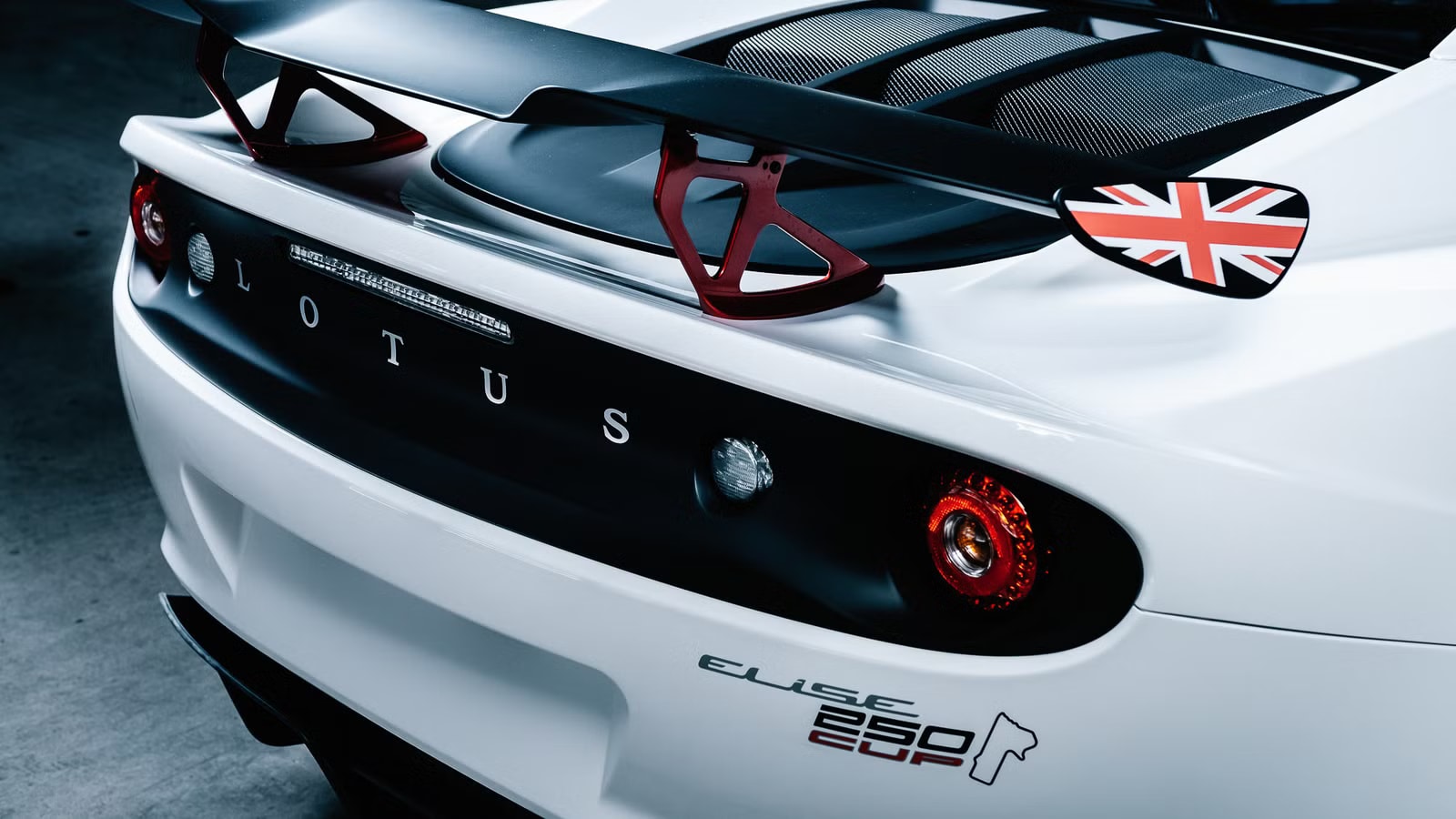
This video, the first in a new series by the Lotus Car Guru, provides a detailed overview of the Lotus Evora.
 
Key topics covered include:
 
Inception and Development: The project, code-named "Eagle," started in 2006 as Lotus's first completely new car since the 1995 Lotus Elise. It aimed to rival the Porsche 911 and offer a larger, more comfortable, and usable car. Notable personalities like Roger Becker and his son Matt Becker were involved in engineering and handling, ensuring it would "handle and ride like a true Lotus". The exterior was designed by Steve Crimp, and the interior by…
Read More
Categories:

Evora Part 2 Transmission - Video Recap

Evora%20Part%202%20Transmission%20-%20YouTube.png
This video, "Evora Part 2 Transmission," details Lotus's choices and modifications for the transmission in the Evora, explaining the rationale behind their decisions given budget and time constraints.
 
Here's a breakdown of the key points:
 
Manual Transmission - EA60 Gearbox
 
Selection: Lotus chose the EA60 gearbox, originally fitted to Toyota Avensis and Auris with four-cylinder diesel engines. This choice was due to its ability to handle high torque loads of over 400 newton meters.
Early Issues & Solutions:
 
 
Read More
Categories:

Evora Part 3 Subframe, Suspension, Brakes, Wheels & Tyres - Video Recap

Evora%20Part%203%20Subframe%2C%20Suspension%2C%20Brakes%2C%20Wheels%20%26%20Tyres%20-%20YouTube.png
This video provides a detailed overview of the rear components of the Lotus Evora, focusing on the subframe, suspension, brakes, wheels, and tires.
 
Here's a breakdown of the key points:
 
Subframe:
 
Made from hot-rolled steel and hot-dipped galvanized.
Weighs approximately 50 kg.
Functions as a crash structure designed to collapse progressively in a rear-end collision, protecting occupants and the main tub.
Replacement cost for a subframe is about £1,700, and a partial body including the tub is £17,500.
Lotus also produced titanium subframes, which were riveted together.


Read More
Categories:

The Evora part 4 The Middle. Tub, Tank, Seats, Door panels, Switches and instrumentation, Dash

The%20Evora%20Part%204.png
The video provides a detailed look into the middle section of the Lotus Evora, covering the tub, fuel tank, seats, door panels, switches, instrumentation, and dash, highlighting differences between the original model and the 400 series.
 
Here's a breakdown of the key points:
 
The Tub:
 
Manufactured from aluminum using a process first seen in the Elise, bonded with rivets and epoxy adhesive.
It's stiffer than the Elise and Exige tubs.
Cannot be welded due to anodization and heat changing alloy properties.
Weighs 105 kg.


Read More
Categories:

Last in the sectional look at the Evora - Video Recap

Last%20in%20the%20sectional%20look%20at%20the%20Evora%20-%20Video%20Recap.png
This video, "Part 5. Last in the sectional look at the Evora" by Lotus Car Guru, provides a detailed examination of the front section of the Lotus Evora.
 
Here's a breakdown of the key areas discussed:
 
Windscreen and A-Pillar Covers: The video covers the laminated windscreen, potential issues with the seal causing water ingress, the cost of replacement, and common problems with the plastic A-pillar covers, especially in hot climates, and their carbon fiber alternatives.


Read More
Categories:

Evora Bodywork - Video Recap

evora%20bodywork%20video.png
The video discusses the bodywork of the Lotus Evora, focusing on why fiberglass was chosen over metal, the history of fiberglass, and the cost of replacement parts (0:30).
 
History of Fiberglass and Composites:
 
Modern fiberglass was accidentally discovered in 1935 by Daryl Kleist while working for Corning Glass.
DuPont later patented polyester resin, leading to the creation of the first composites.
During World War II, Germans furthered research, and British intelligence agents stole the secrets, leading to fiberglass components appearing on allied aircraft for radar covers.


Read More
Categories:

Lotus Esprit 50th Anniversary - Part 2: Showtime!

Lotus%2050%20pt2.png
Lotus Esprit 50th Anniversary - Part 2: Showtime!
 
This video captures the Lotus Esprit 50th Anniversary event at the Group Lotus HQ in Hethel, Norfolk, showcasing over 200 Lotus cars.
 
Here's a breakdown of the event:
 
Arrival and Setup (0:10-0:57): The presenter arrives early to the display day at the Lotus site, observing cars getting assembled for the show.


Read More
Categories:

Lotus Esprit 50th Anniversary - Part 1: Hethel or Bust?

Lotus%2050%20pt1.png
Lotus Esprit 50th Anniversary - Part 1: Hethel or Bust?
 
The video documents the owner's journey with his Lotus Esprit from near Oxford to Hethel, the headquarters of Lotus Cars in the UK, for a 50th-anniversary reunion event (0:00). The 135-mile trip is broken into three legs (2:40):
 
First Leg (0:44): The owner makes it to a BP garage in Milton Keynes, noting that the chosen route was direct but involved many single carriageways and roundabouts, leading to slow speeds (1:33). He expresses concern about heat build-up in the engine bay and explains how he tries…
Read More
Categories:

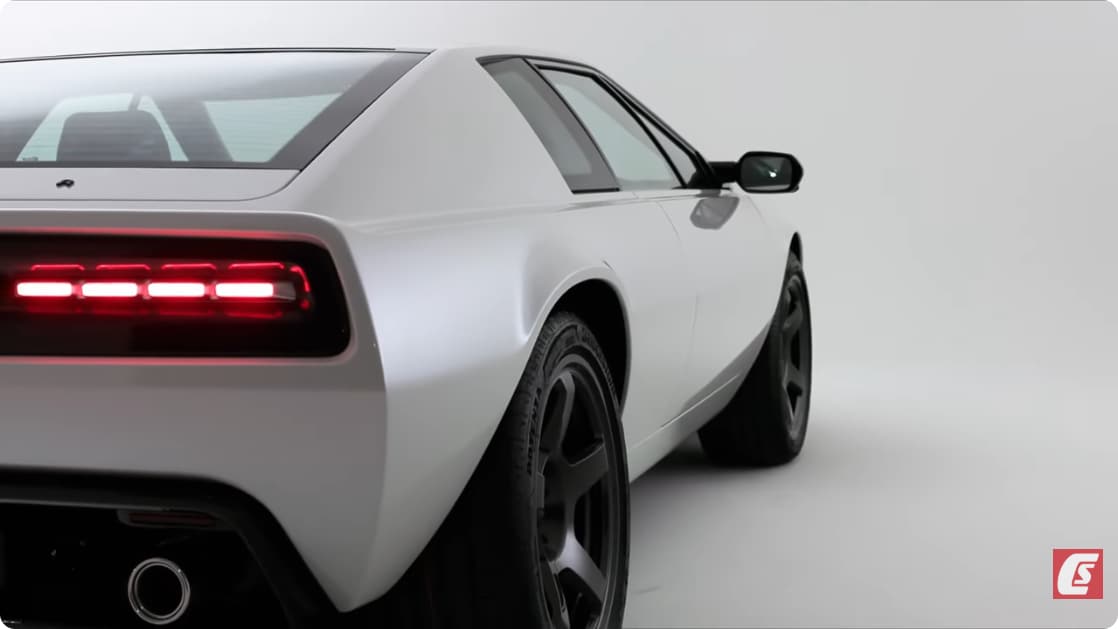
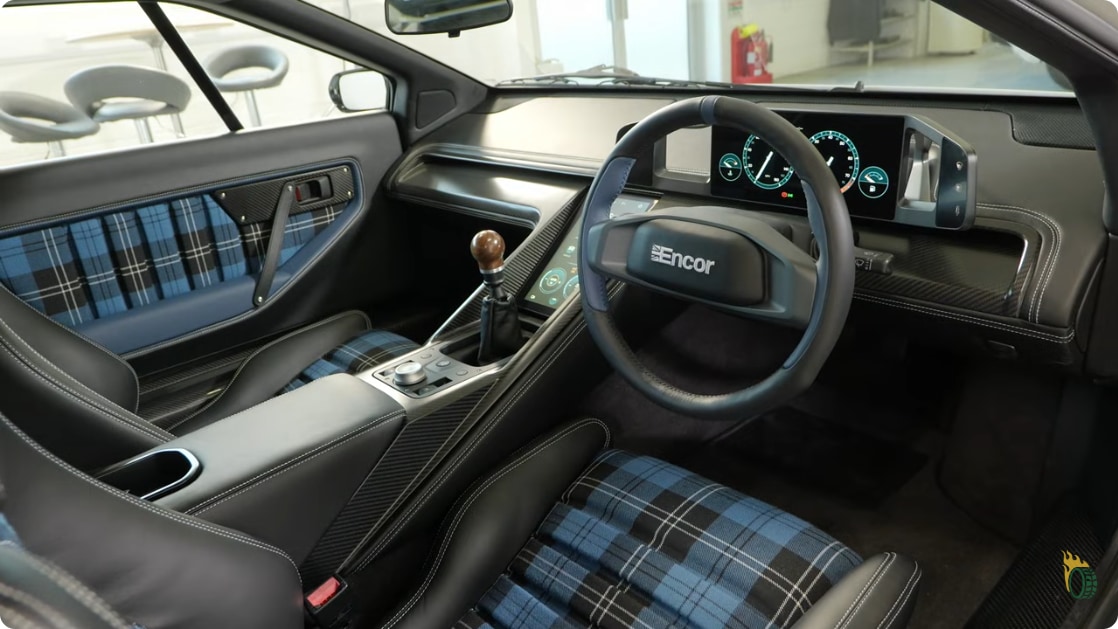
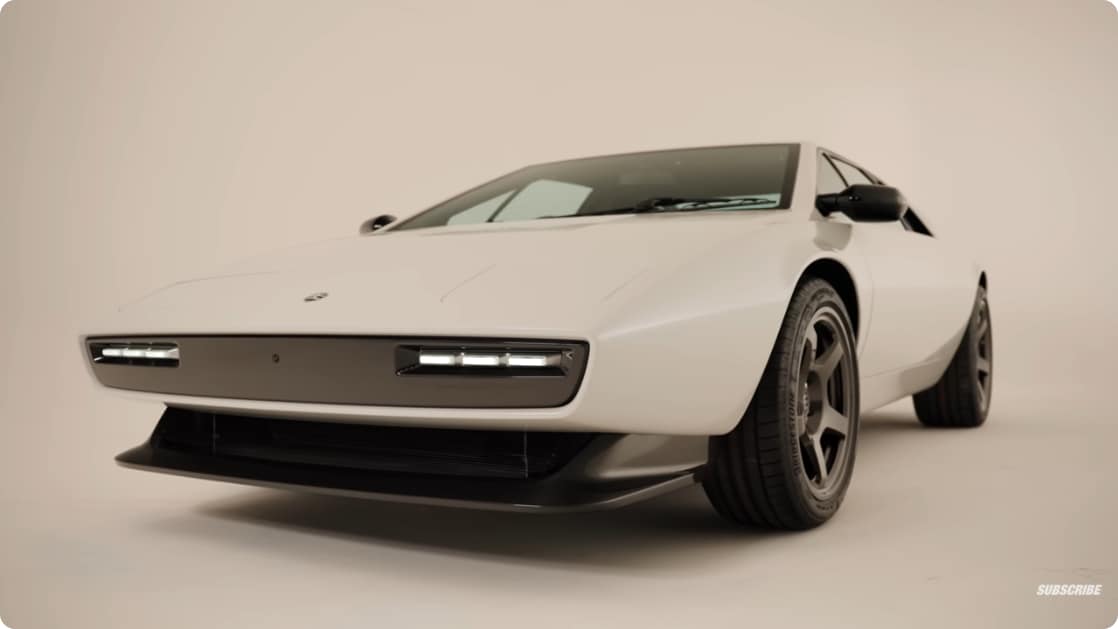
Lotus Esprit Restomod

encor-profile.jpg
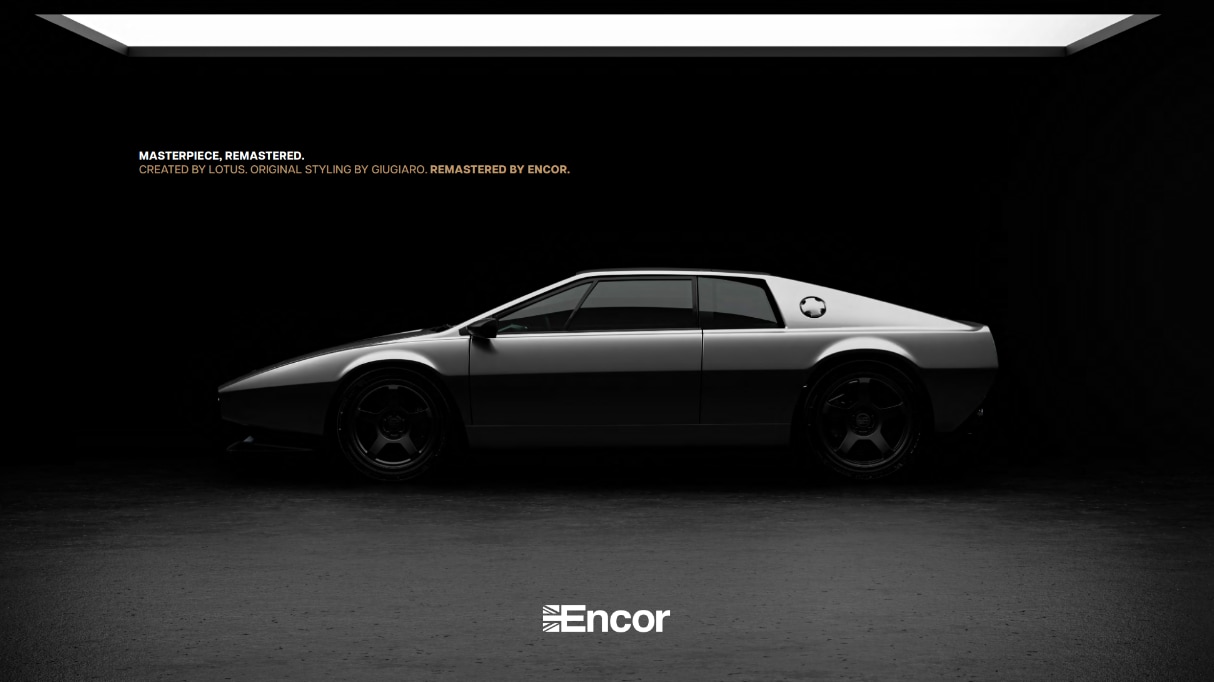
This month marks the 50th anniversary of the Lotus Esprit, which was first unveiled at the 1975 Paris Motor Show. The initial models featured modest power to move the lightweight car, staying true to Lotus’s tradition, but turbocharged engines were introduced later on. Even twenty years after its debut, the Esprit remained relevant, equipped with a twin-turbocharged V-8. Now, a new company is honouring the Esprit’s milestone with a limited-edition restomod that spares no expense.
 
 
Read More
Categories:

Honoring Jim Clark

112_0804_01z-jim_clark-.jpg
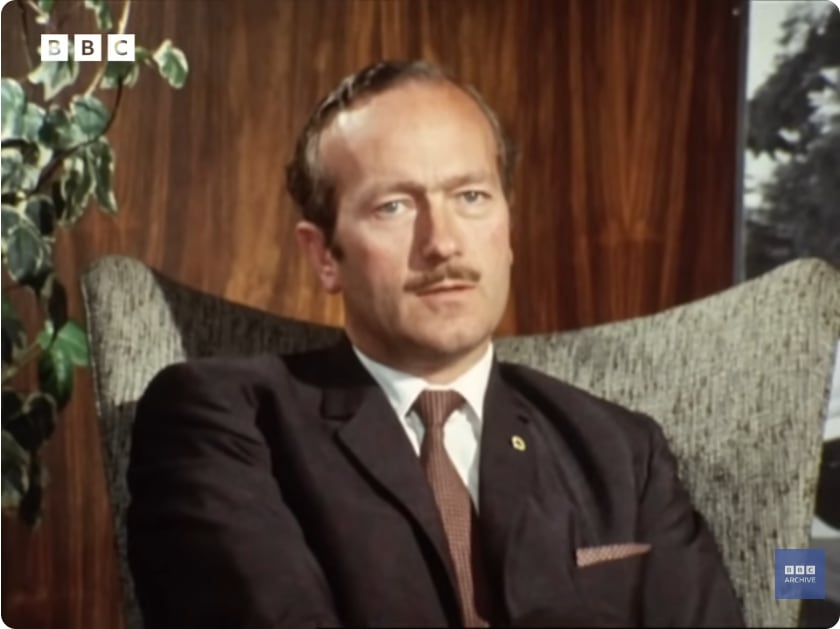
Honoring Jim Clark, a Scottish farmer who rose to fame as a legendary racing driver. It emphasizes his modest and reserved nature, his innate skill at the wheel, and his exceptional smoothness and precision as a driver.
 
Early Life and Career: Clark continued his farming work in Duns, Scotland, even during his early racing career, traveling to races and then returning to the farm. Eventually, he chose to focus on motor racing full-time.
 
 
Read More
Categories: ,